Maxillofacial surgical instruments by step
Exposure: mandibular and midface retractors
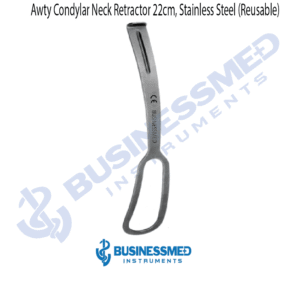
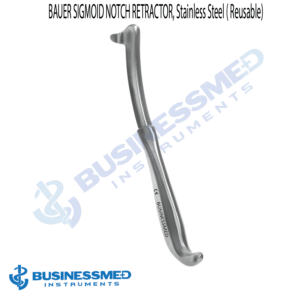
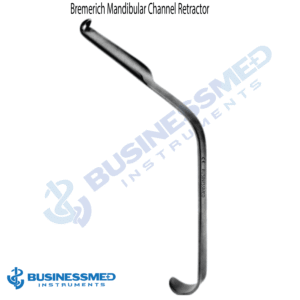
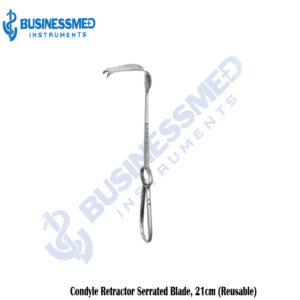
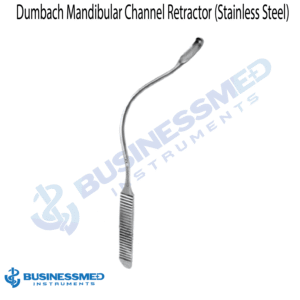
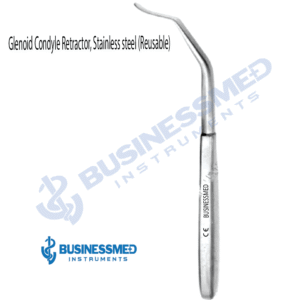
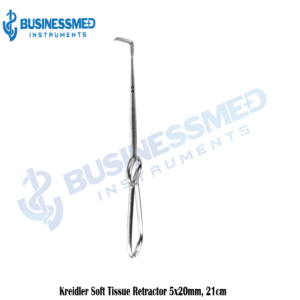
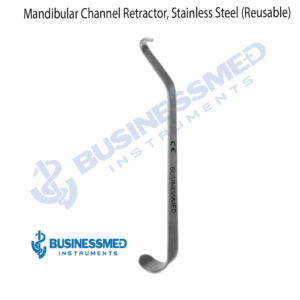
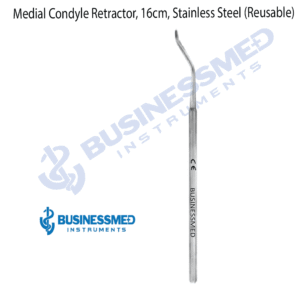
In sagittal split ramus osteotomy a channel retractor is inserted between bone and periosteum and engaged at the inferior border of the mandible; the Obwegeser channel retractor gives medial access to the ramus above the lingula, and the malleable version can be bent to the anatomy. The medial ramus retractor exposes the lingula area for the horizontal cut, in left and right versions. Condyle retractors such as the Awty condylar neck retractor and the Reich retractor with a fiber optic fitting expose the condylar process in open reduction of subcondylar fractures. For the midface, Obwegeser nasal spine retractors, Sailer and piriform rim retractors hold soft tissue at the anterior nasal spine and the nasal aperture. See Plastic Surgery Retractors & Skin Hooks.
Periosteal elevation
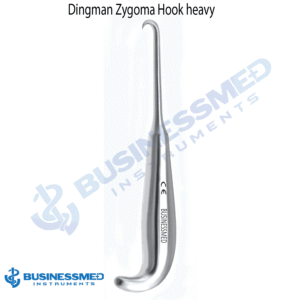
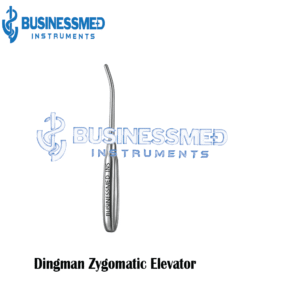
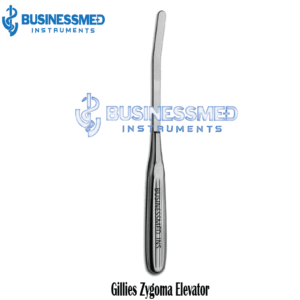
Obwegeser periosteal elevators and the Obwegeser J-stripper, with its J-hook tip, strip the periosteum from the mandible and ramus. Zygoma elevators — Gillies, Dingman and the two-handled Rowe — pass from a temporal incision beneath the temporal fascia to lift a depressed zygomatic arch. See Periosteal Elevators & Surgical Dissectors.
Osteotomy
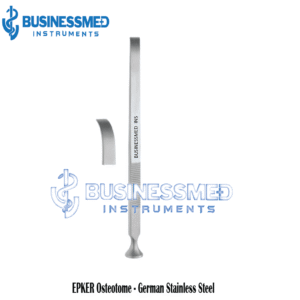
In bilateral sagittal split osteotomy, introduced by Trauner and Obwegeser, the mandibular segments are separated with osteotomes — the Obwegeser split osteotome, wedge osteotome and the Epker osteotome. In Le Fort I osteotomy a curved osteotome such as the Obwegeser pterygoid osteotome separates the pterygomaxillary junction; the Tessier maxillofacial osteotome belongs to the Le Fort III midface operation. See Osteotomes.
Mobilizing and holding the segments
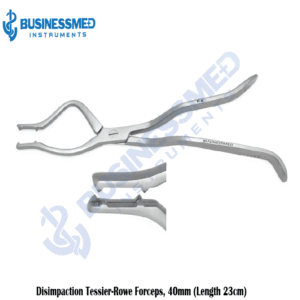
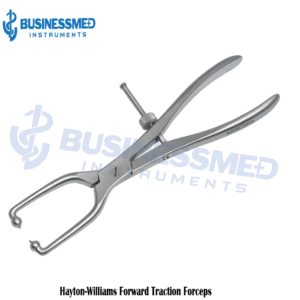
The Smith ramus separator spreads the proximal and distal mandibular segments after the split. Rowe disimpaction forceps are side-specific, with a nasal and a palatal prong, and mobilize the maxilla in Le Fort fractures and after Le Fort I down-fracture; the Tessier-Rowe pattern has asymmetrical oral blades for a high palate. The Hayton-Williams forceps give forward traction and reduction of maxillary fractures, Obwegeser fragment adapting forceps align and hold bone fragments, and the Turvey palatal expander separates the midpalatal and palatomaxillary sutures. See Ring Forceps & Clamps.
Cleft palate
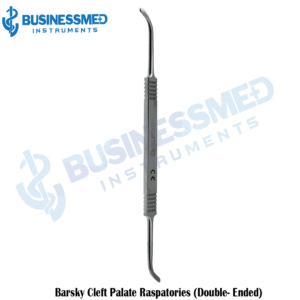
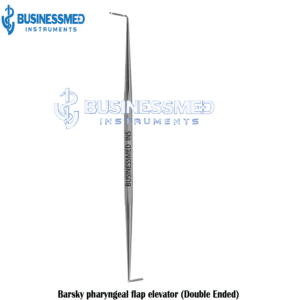
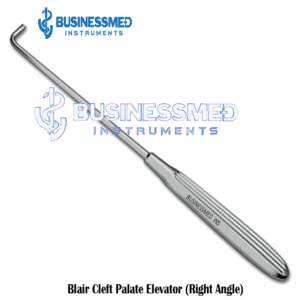
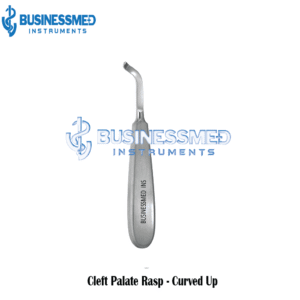
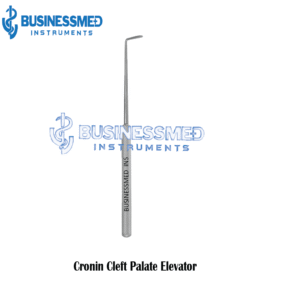
Cleft palate elevators and raspatories — the right-angled Blair elevator, Cronin elevators and the double-ended Barsky rasp — detach the mucoperiosteal flaps from the hard palate; a Barsky pharyngeal flap elevator is also here.
Bone smoothing
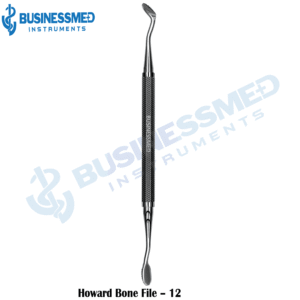
Bone files make the final smoothing and shaping of bone and smooth sharp alveolar edges. Straight-cut files such as the Miller bone file 21 cut only on the pull stroke; Miller-Colburn cross-cut files cut in two directions. See Bone Files.
What are maxillofacial instruments used for?
Orthognathic surgery instruments for bilateral sagittal split, vertical ramus and Le Fort I, II and III osteotomies and segmental maxillary surgery; open reduction of mandibular, subcondylar, zygomatic and maxillary fractures; cleft palate repair; alveoloplasty; and temporomandibular joint exposure. These oral maxillofacial surgical instruments are also sold as a maxillofacial surgery set.
How BusinessMed maxillofacial surgery instruments are made
Each instrument is made of German stainless steel with a satin, non-reflective finish. They are reusable, autoclavable and covered by a 5-year warranty.