Breast surgery instruments by surgical step
Marking and measuring
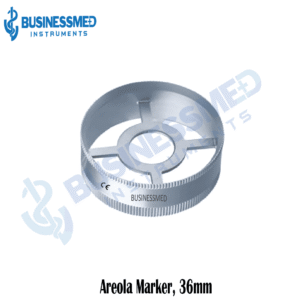
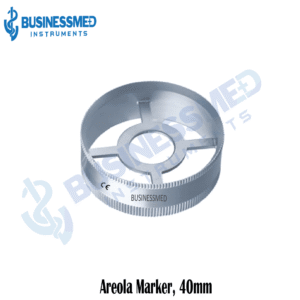
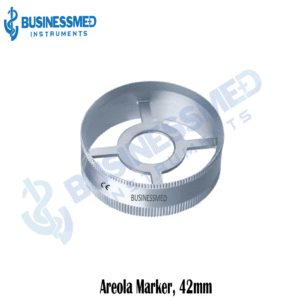
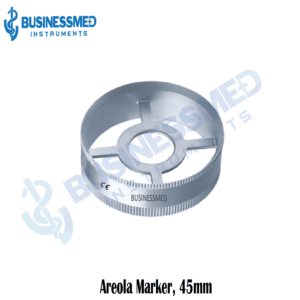
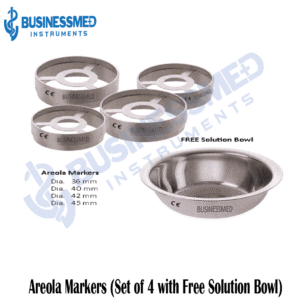
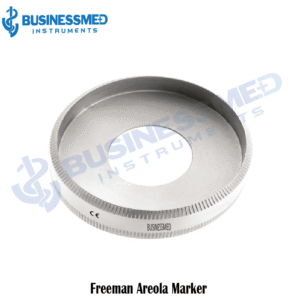
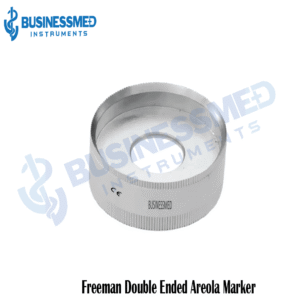
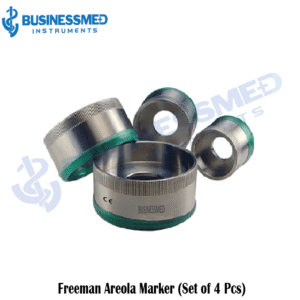
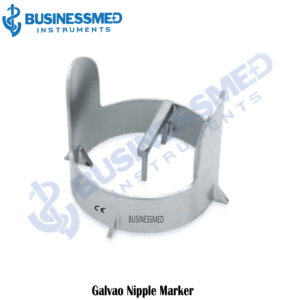
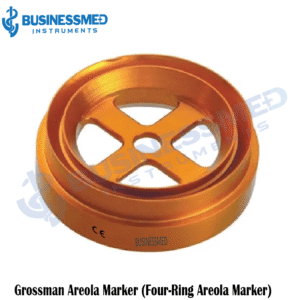
Breast markers measure and mark the nipple-areola complex before the incision, with or without ink. The range has single-size blunt areola markers, sold singly or as the set of four with a solution bowl, Freeman, Grossman and Galvao markers, the McKissock keyhole marker for reduction patterns, and the McKissock mammaplasty caliper. See Measuring & Marking Instruments.
Pocket dissection
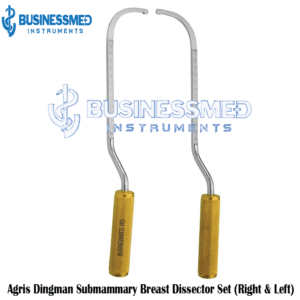
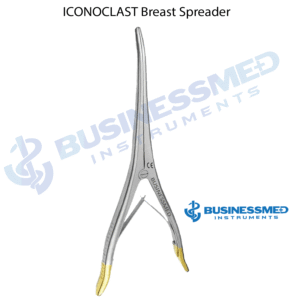
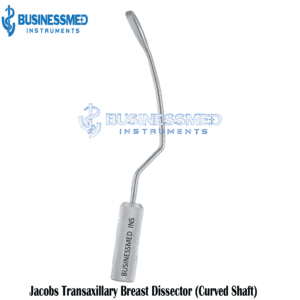
Breast dissectors separate the breast from the underlying fascia, or the pectoralis major from the chest wall, by blunt dissection to form the implant pocket. Transaxillary dissectors such as the Jacobs and the fenestrated Reynolds are long and curved for work through an axillary incision; Agris-Dingman and MacCollum-Dingman dissectors form the submammary pocket; the Tebbetts spatula patterns, including the paddle-shaped dissector, serve augmentation, reduction and lift. The blunt Iconoclast breast spreader spreads and exposes tissue. See Periosteal Elevators & Surgical Dissectors.
Retraction
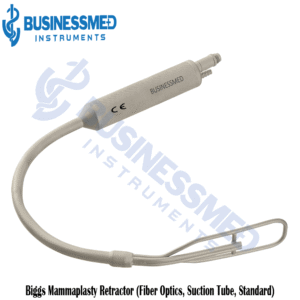
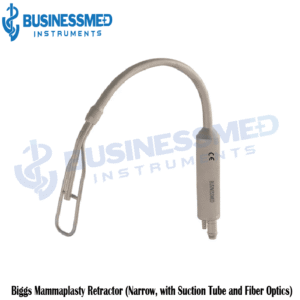
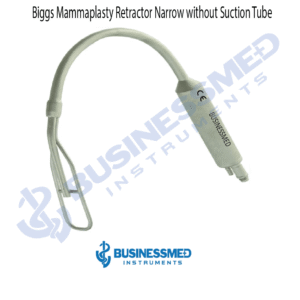
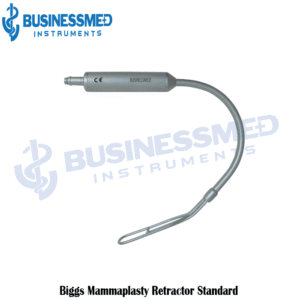
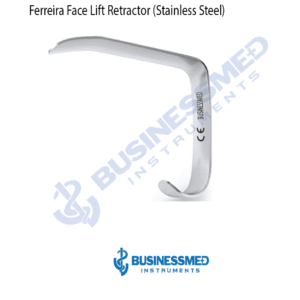
Hand-held breast retractors hold the incision and the pocket open. The Biggs mammaplasty retractor has a curved shaft and comes with a narrow or standard blade; the Tebbetts double-ended breast retractor has a smaller end for after the incision and a larger end for greater retraction; the semi-malleable Tebbetts spatula retractor serves pocket work and capsulectomy; the Marx breast retractor has a long curved blade that also reaches the axilla. The Mammostat breast elevator is a self-retaining ratcheted ring frame. See Plastic Surgery Retractors & Skin Hooks.
Lighted and endoscopic retraction
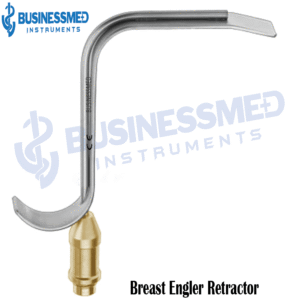
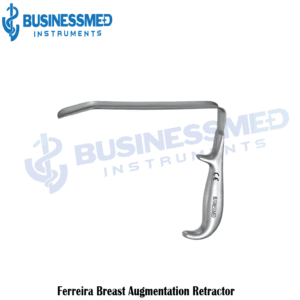
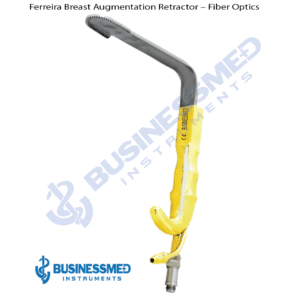
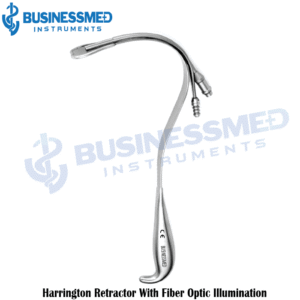
Lighted breast retractors carry a light guide on the blade so the deep pocket is lit from inside, and many add a suction channel for smoke and fluid: Tebbetts, Biggs, Ferreira, Engler and Wieder patterns. The Sculpo endoscopic retractor has a channel that takes an endoscope for endoscopic breast augmentation. Light sources and cables for these retractors are in Fiber Optic Surgical Instruments.
Cutting
Heavy curved scissors such as the Solz gold tip scissors, with strong double-beveled blades, cut thick soft tissue. See Plastic Surgery Scissors.
What are breast surgery instruments used for?
Breast augmentation, including the transaxillary and endoscopic approaches, in the submammary or subpectoral plane; reduction mammaplasty and mastopexy, where the markers lay out the keyhole and areola pattern; breast and areola reconstruction; capsulectomy; and, with the Gonzalez duckbill dissector, intramuscular gluteal augmentation. Breast surgery tools for one operation are also sold together in Breast Surgery Sets.
How BusinessMed breast instruments are made
Retractors, dissectors and markers are made of German stainless steel with a satin, non-reflective finish; the Grossman four-ring marker is a single aluminum piece, and several dissectors have gold-colored handles. They are reusable, autoclavable and covered by a 5-year warranty.