Types of restorative instruments in dentistry
Chairside
Filling
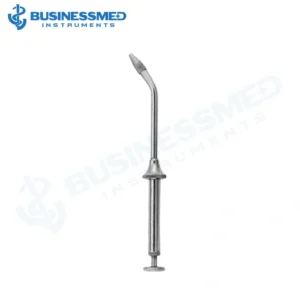
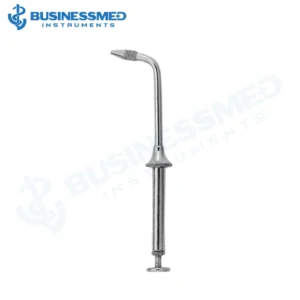
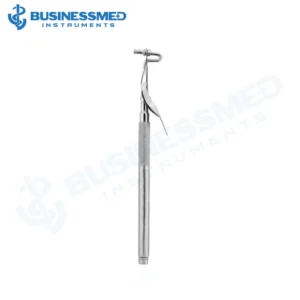
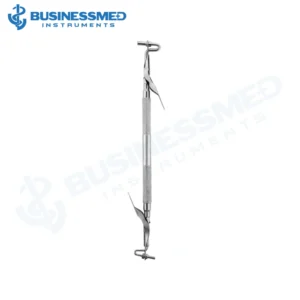
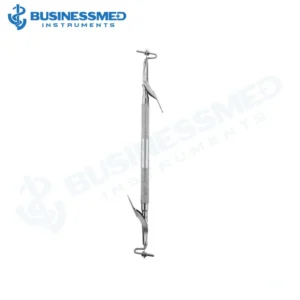
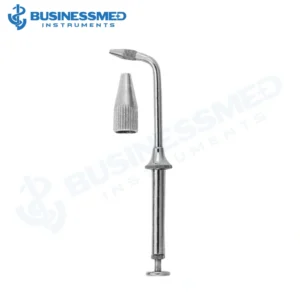
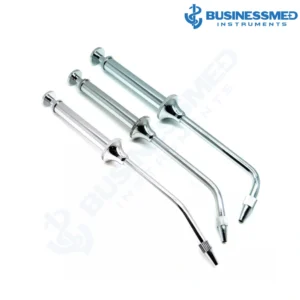
- Amalgam Carriers — lever, gun-type and double-ended carriers that release amalgam into the preparation, and a retrograde carrier for root-end fillings.
- Composite Instruments — beavertail spatulas, pluggers, fissure formers and the Compo Smooth finisher that place, condense and contour composite.
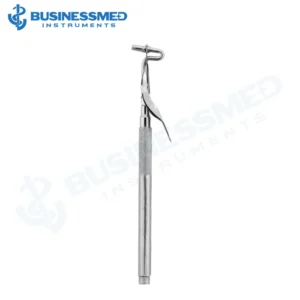
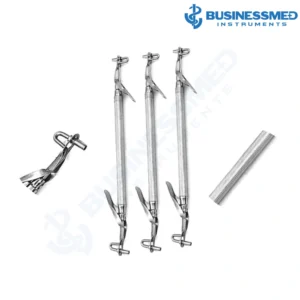
- Tofflemire Matrix Bands and Retainers — adult and child retainers and bands that form the missing proximal wall of a Class II cavity.
Laboratory and prosthetic
How to choose restorative dental instruments
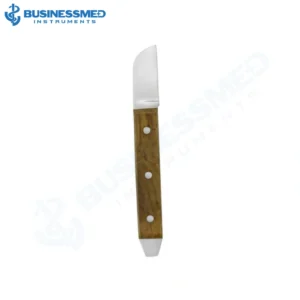
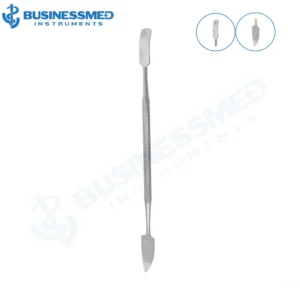
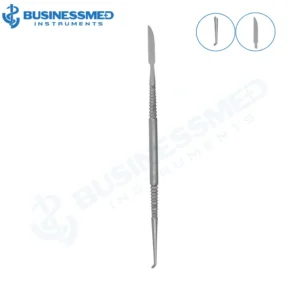
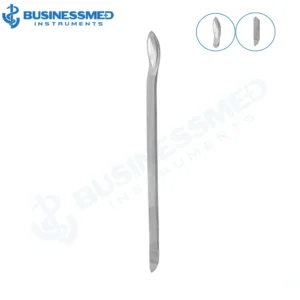
- Chair or bench. Liners and sets work at the chair; spatulas, carvers and plaster knives are mostly bench instruments.
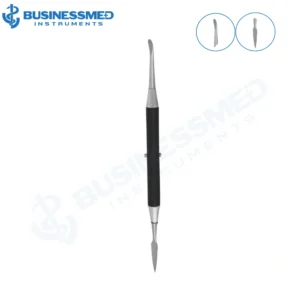
- Wax step. Spatulas add and carry wax; carvers shape it; Reeves and Roach carvers also shape porcelain.
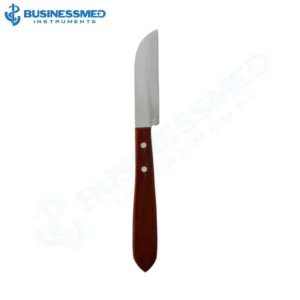
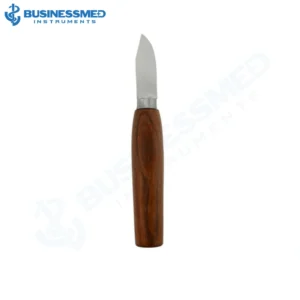
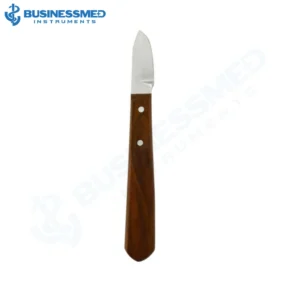
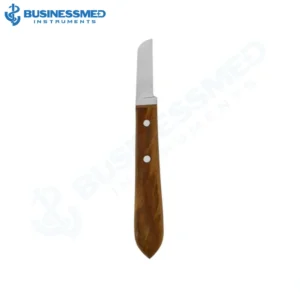
- Model step. Plaster knives mix and trim; the nipper cuts hard set plaster.
- Filling step. Place the matrix first where a proximal wall is missing; then an amalgam carrier carries amalgam into the preparation, or composite instruments place and contour composite.
What are dental restorative instruments used for?
Placing amalgam and composite fillings, with a matrix band for Class II cavities; lining deep preparations and placing bases; building wax patterns, bite rims and setups; carving the anatomy of crowns, inlays and bridges before casting; shaping porcelain before firing; and mixing and trimming plaster and stone models. Dental restorative instruments names follow their makers' patterns — LeCron, Roach, 7A — and each page explains its own.
How BusinessMed restorative instruments are made
The restorative instruments dental practices and laboratories order from us are German stainless steel, on stainless steel, plastic or wooden handles as named on each page; reusable, autoclavable and covered by a 5-year warranty.