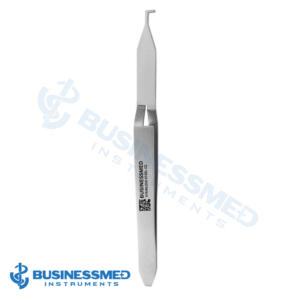
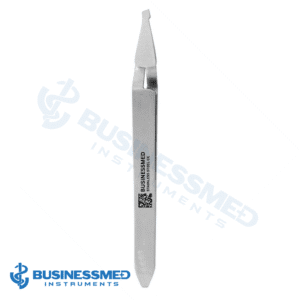
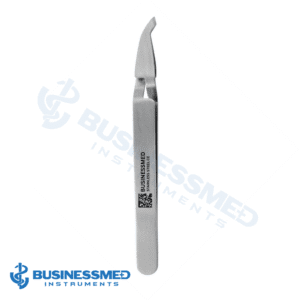
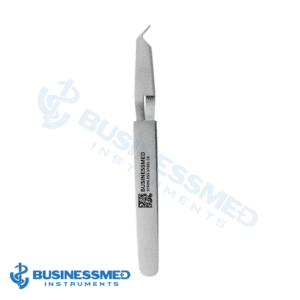
Types of orthodontic tweezers
Anterior bracket tweezers
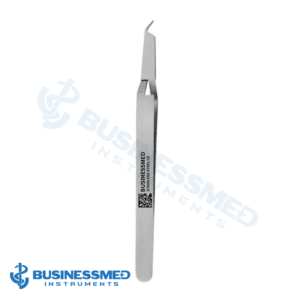
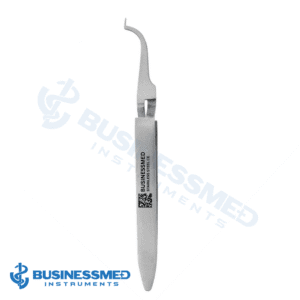
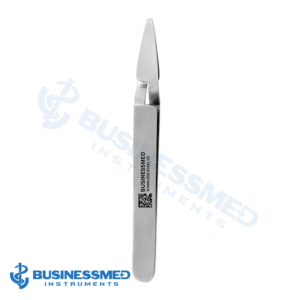
Straight serrated tips for incisors and canines: the straight bracket holder tweezers and the anterior tweezers with aligner, whose aligner engages the bracket slot to set height and axis before the adhesive sets.
Posterior bracket tweezers
Thin, angled tips that fit behind the wings on premolars and molars: the 90° tweezers with aligner, the posterior tweezers and the long posterior tweezers for second molars.
Curved tweezers and tube bonder
The curved bracket holder tweezers keep a clear sight line to the tooth surface; the slim buccal tube bonder holds a buccal tube on the molar while it is bonded.
How to choose a dental tweezer for bonding
- Tooth group. Straight and anterior tips for incisors and canines; 90°, posterior and long tips for premolars and molars.
- With or without aligner. An aligner sets bracket height and axis as the bracket is placed.
- Bracket or tube. Buccal tubes have their own slim bonder.
- Not cotton pliers. For cotton rolls, pellets and small items, see Dental Cotton Pliers; tweezers in dentistry for bonding hold brackets only.
What are orthodontic tweezers used for?
Direct bonding of fixed appliances: carrying a pasted bracket from the tray to the tooth, holding it in position, adjusting height and axis before the adhesive sets, and bonding buccal tubes on molars. These tweezers dental teams lay out on the bonding tray.
How BusinessMed dental tweezers are made
German stainless steel with a satin, non-reflective finish; reusable, autoclavable and covered by a 5-year warranty.