Types of dental photography mirrors
Occlusal mirrors
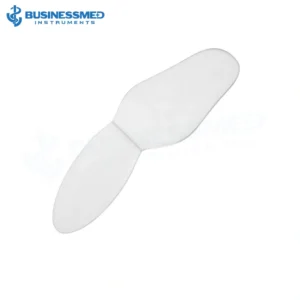
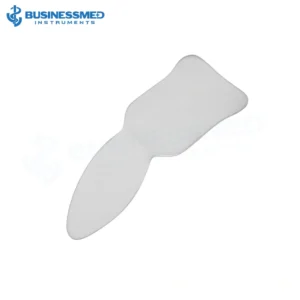
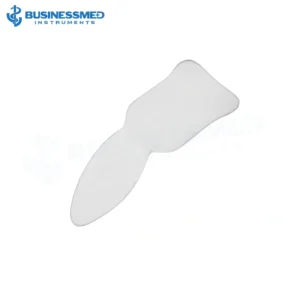
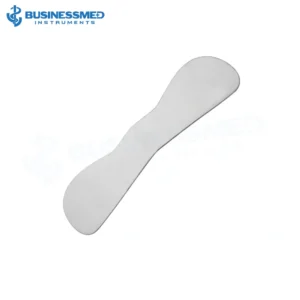
An occlusal mirror reflects the biting surfaces of a whole upper or lower arch. Two double-ended designs put an adult and a child occlusal end on one piece: occlusal mirror #1 and occlusal mirror #2.
Buccal mirrors
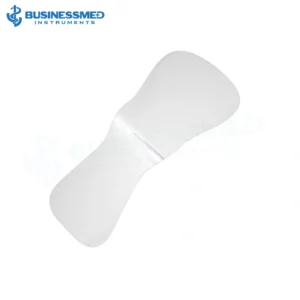
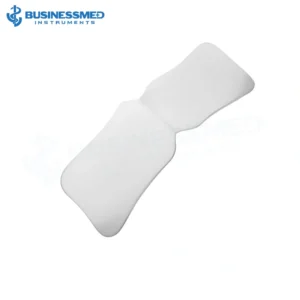
Buccal mirrors show the cheek side of the posterior teeth: the single adult buccal photography mirror and the double-ended adult and child buccal mirror.
Combined and lingual mirrors
Double-ended pieces combine an occlusal and a buccal end, for adults (adult occlusal / buccal) or children (child occlusal / buccal). The lingual mirror photographs the tongue side of the upper and lower teeth.
How to choose intraoral photography mirrors
- Start from the views in your photo series. Occlusal views of both arches, left and right buccal views and lingual views each need their own mirror shape.
- Adult or child. Child ends are smaller for small mouths; double-ended adult / child pieces cover both with one instrument.
- Single or double-ended. A double-ended piece halves the number of photography mirrors on the tray.
- Use with cheek retractors. Lips and cheeks are held back with Dental Cheek Retractors while the mirror is placed.
What are dental photography mirrors used for?
Clinical photography for orthodontic, pediatric and restorative records: full-arch occlusal views of the upper and lower teeth, right and left buccal views with the teeth together, and lingual views of bonded retainers, lingual brackets and restorations.
How BusinessMed photography mirrors are made
Polished stainless steel with smooth, rounded edges; reusable, autoclavable and covered by a 5-year warranty.