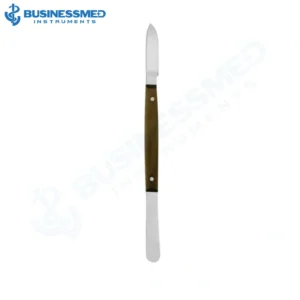
Types of plaster knives and nippers
Numbered plaster knives
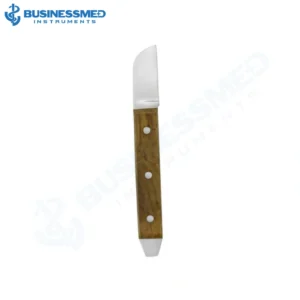
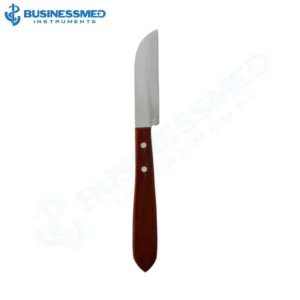
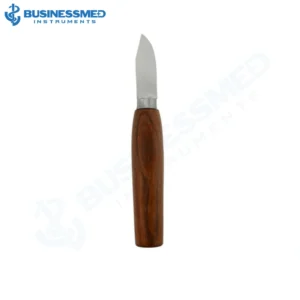
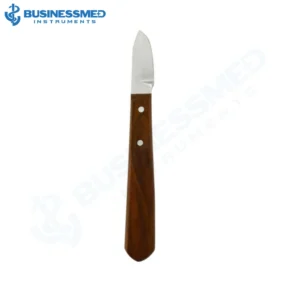
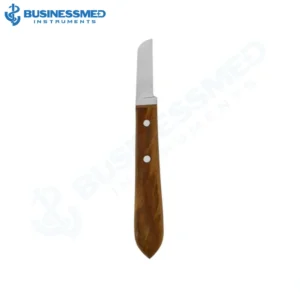
The 6R plaster knife is sold as the heavy-duty general plaster knife; the 7R has a rounded blade for mixing and cutting; the 5A, 6 and 12 cover trimming and general bench work.
Murphy and Fahnestock knives
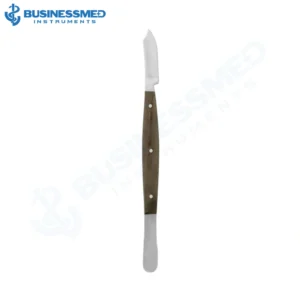
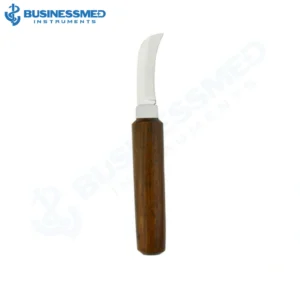
The curved Murphy knife has a strongly curved blade for mixing in a cup and trimming curved model surfaces; the Fahnestock knife trims plaster and also carves denture wax as a wax knife.
Plaster nipper
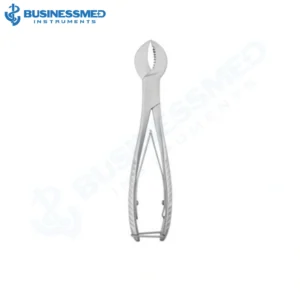
The double-spring plaster nipper reopens its jaws after each cut, for nipping excess plaster and stone from casts and models.
How to choose a dental lab knife
- Mixing or trimming. Mixing in a bowl or cup → 7R or Murphy; trimming and shaping set models → 6, 6R, 12; general office and lab use → 5A.
- Plaster and wax. The Fahnestock wax knife works on both.
- Knife or nipper. Hard set plaster that a knife cannot take → the nipper.
What are plaster knives used for?
Mixing plaster and stone before pouring, trimming and shaping set plaster and stone models and impressions, cutting wax and alginate on the bench, and carving denture wax — the bench work of the dental laboratory. Each plaster knife page states its blade form.
How BusinessMed plaster knives are made
German stainless steel blades on wooden handles; the nipper is German stainless steel with a double spring. Reusable, autoclavable and covered by a 5-year warranty.