Surgical instruments by procedure
Rhinoplasty
Rhinoplasty Instruments — nasal retractors and hooks, elevators, nasal scissors and knives, osteotomes, rasps, saws and septum forceps for open, closed and preservation rhinoplasty and septorhinoplasty. The largest group; start here for any nasal operation.
Facelift
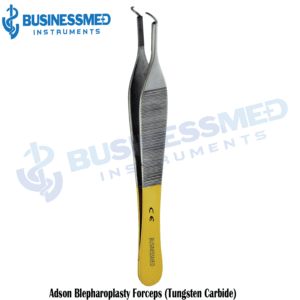
Facelift Instruments — facelift scissors, face lift retractors and the Daniel and Ramirez endoscopic forehead and midface instruments. Choose it for rhytidectomy and the brow lift; nasal work belongs to Rhinoplasty.
Breast surgery
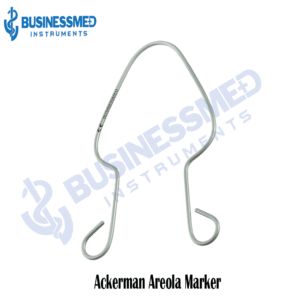
Breast Surgery Instruments — areola and keyhole markers, breast dissectors and spreaders, and plain, lighted and endoscopic breast retractors for augmentation, reduction, lift and reconstruction.
Maxillofacial surgery
Maxillofacial Surgical Instruments — channel, ramus and condyle retractors, Obwegeser osteotomes, disimpaction forceps, cleft palate elevators and bone files for orthognathic surgery, jaw and midface fractures and cleft repair. Choose it when the work is on the jaws and palate rather than the nose.
Microsurgery
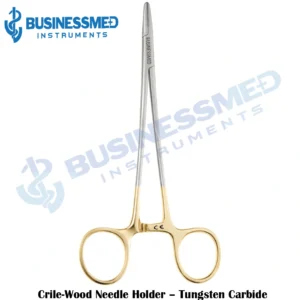
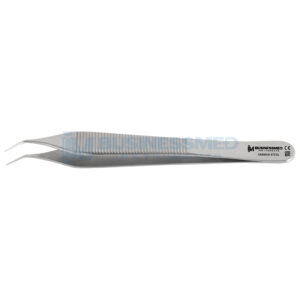
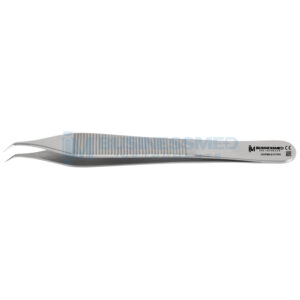
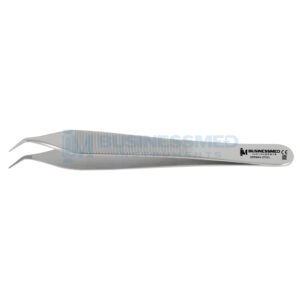
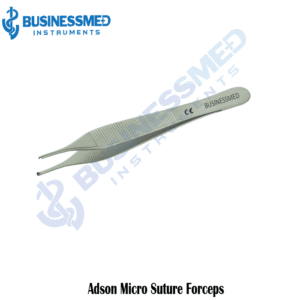
Microsurgery Instruments — micro needle holders, micro scissors, vessel dilators and micro vessel clamps for microvascular anastomosis under the microscope.
Hair transplant
Hair Transplant Instruments — FUE punches, graft forceps, a DHI implanter and a needleless anesthesia device for follicular unit extraction and implantation.
Instruments across procedures
Fiber optic instruments
Fiber Optic Surgical Instruments — lighted retractors and a lighted nasal speculum, with the LED light source, light cable and wireless LED source that feed them. Choose it when the field is a deep pocket or cavity that needs light from inside.
Electrosurgery
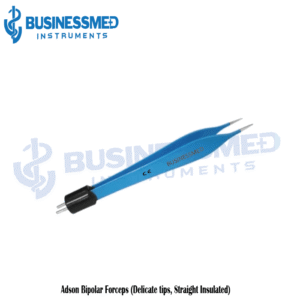
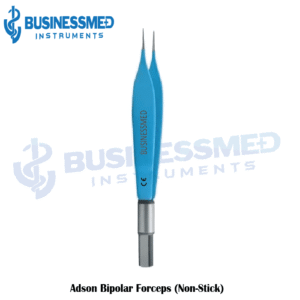
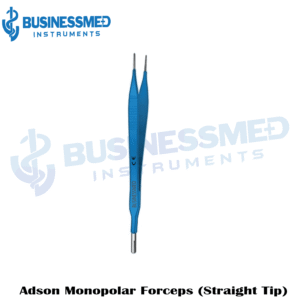
Electrosurgery Instruments — bipolar and monopolar forceps and scissors and bipolar cables that carry current from a generator to tissue. Choose it for cutting and coagulation with current; the hand instruments without current are in the procedure groups above.
Diagnostic instruments
Laryngoscopes and Diagnostic Instruments — laryngoscope blades and handles and Magill forceps for the airway, and otoscopes, ophthalmoscopes, dermatoscopes, reflex hammers and tuning forks for examination. These are examination instruments, not operating instruments.
How to choose a group
Start with the procedure: the procedure group shows every instrument used in that operation, in one grid. Then go to the type category linked inside each group to compare patterns, lengths and tips; the choosing advice lives there, so it is not repeated here. Lighting, current and examination are separate groups because they serve many procedures.
What are procedure instruments used for?
Instruments for each procedure here serve plastic, aesthetic and reconstructive surgery of the nose, face, breast and body; oral and maxillofacial surgery; microvascular and reconstructive surgery; hair restoration; and, in the cross-procedure groups, surgical lighting, electrosurgery and airway and bedside examination. Procedure specific instruments for one operation are also sold as Surgical Instrument Sets.
How BusinessMed surgical procedure instruments are made
The steel hand instruments in every group are made of German stainless steel with a satin, non-reflective finish; they are reusable, autoclavable and covered by a 5-year warranty. Electrosurgical, diagnostic and lighting devices list their own build on their pages.