How to choose an orthodontic measuring gauge
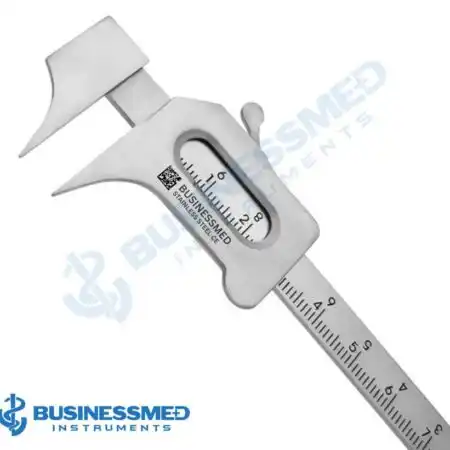
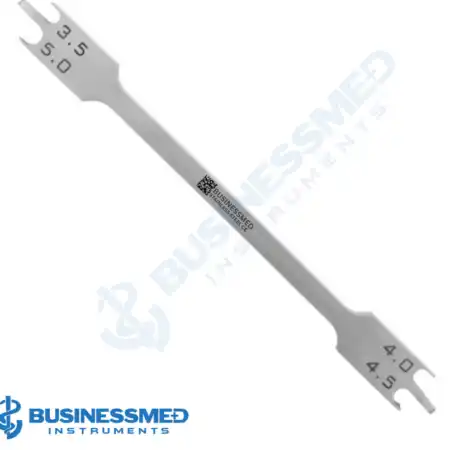
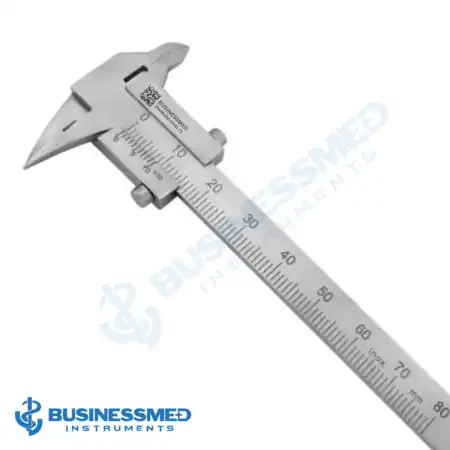
- Measuring or positioning. Tooth widths, arch length, overjet and models → a Boley gauge; bracket placement → a bracket gauge.
- Reach. The narrow tips of the high-precision gauge reach between crowded teeth and into the posterior arch.
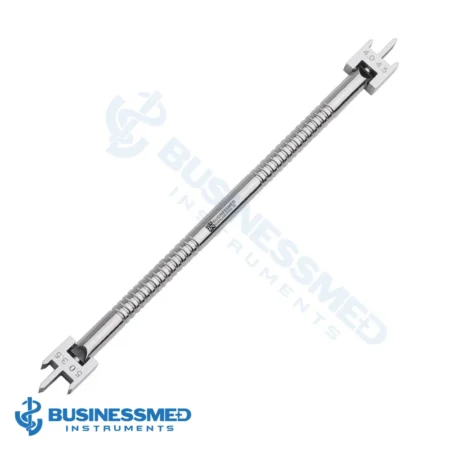
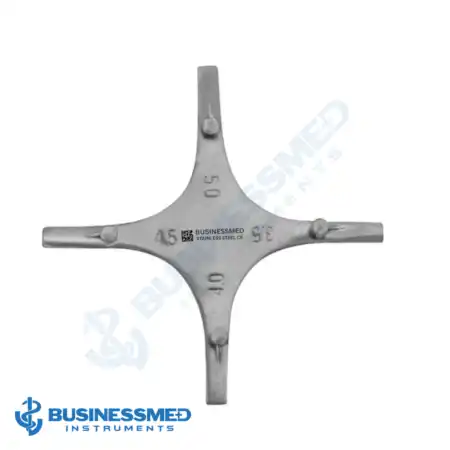
- Bracket heights. Common fixed heights are 3.5, 4.0, 4.5 and 5.0 mm; star gauges carry several heights on one instrument, and swivel-head gauges articulate to reach anterior and posterior teeth.
What are Boley gauges and bracket gauges used for?
Space analysis and tooth-size calculations, measuring tooth widths, inner and outer arch dimensions and overjet; checking brackets, bands, wires, appliances and study models at the chair or in the laboratory; and setting and checking bracket height in direct bonding, including on the smaller crowns of younger patients.
How BusinessMed orthodontic gauges are made
Each dental Boley gauge and bracket gauge is German stainless steel, reusable, autoclavable and covered by a 5-year warranty.