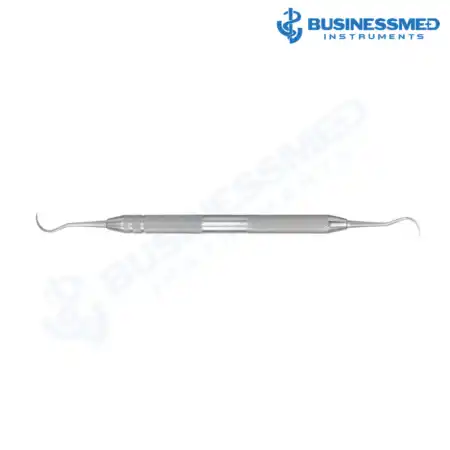
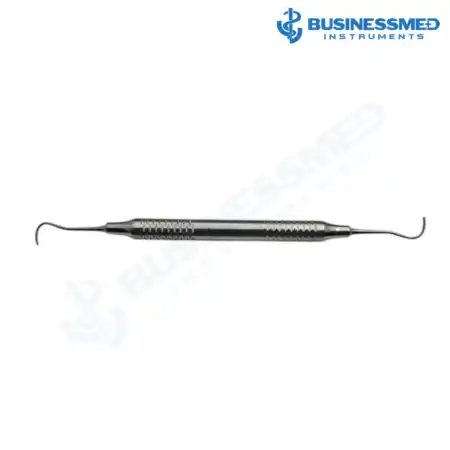
Types of dental scalers
Sickle scalers
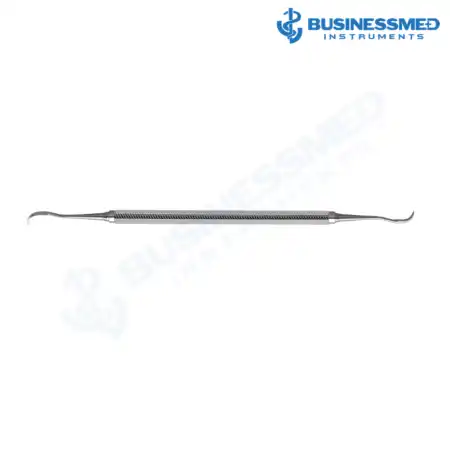
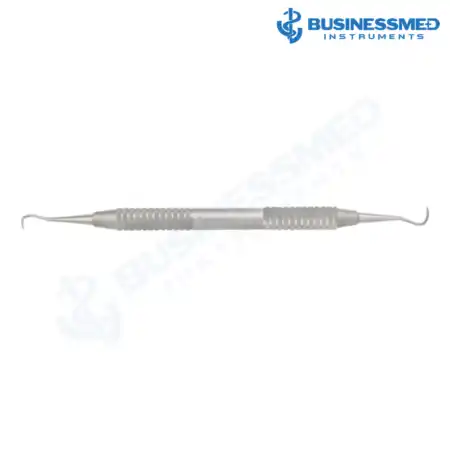
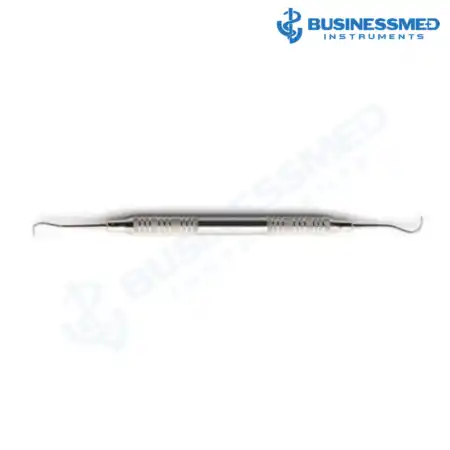
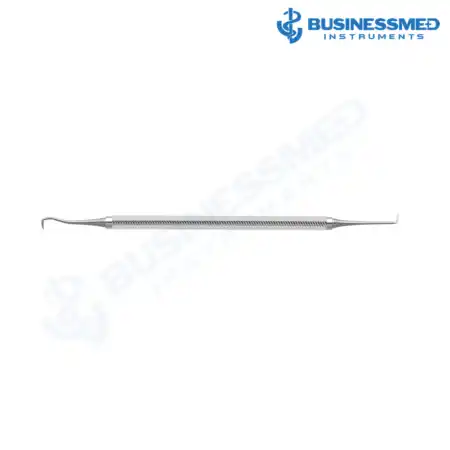
For supragingival calculus; the pointed blade is not used inside the pocket. The Hygienist sickle scaler (H6/H7, thin contra-angle for anterior teeth and premolars), the Goldman (6/7, a shortened H6/H7) and the Crane-Kaplan with mirror-image ends. Jacquette patterns have flat straight edges to a point for interproximal and cervical areas: the Jacquette, Hygienist-Jacquette (H5/33) and Towner-Jacquette.
Universal scalers
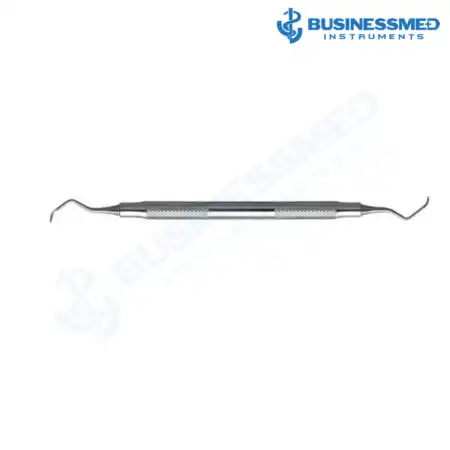
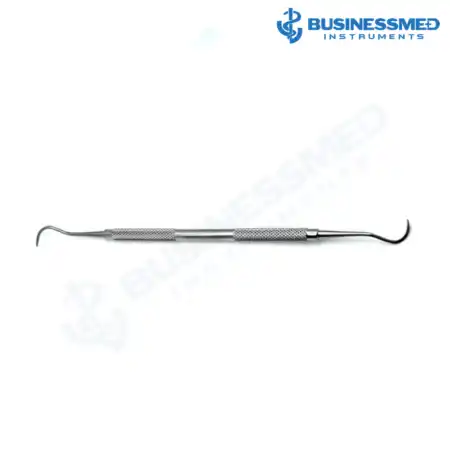
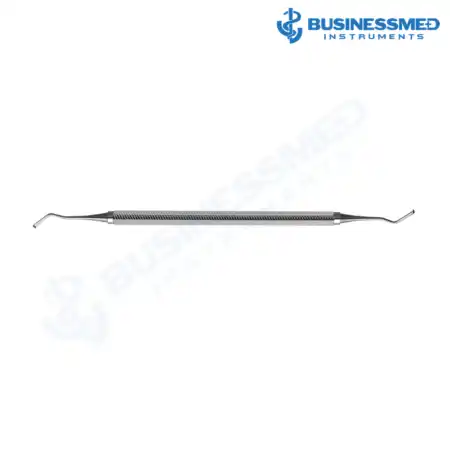
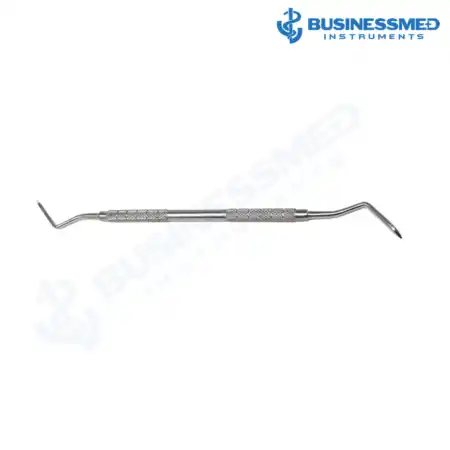
The Goldman-Fox universal scaler removes heavy calculus above and just below the gum line on proximal surfaces; the McCall has a universal, elliptical blade with two edges and a rounded tip; the Younger-Good carries a universal curette blade on a shank shaped for second and third molars; the dental universal scaler works the whole mouth.
How to choose dental scalers
- Above or below the gum line. Sickle scalers for supragingival calculus only; universal scalers and curettes for work that continues below.
- Anterior or posterior. Thin contra-angle sickles (Hygienist, Goldman) for anterior teeth and premolars; Younger-Good for second and third molars.
- Interproximal reach. Jacquette patterns for contacts and cervical areas.
- Heavy deposits. Goldman-Fox for heavy calculus on proximal surfaces.
What is a scaler in dental care used for?
Routine scaling and periodontal maintenance — removing calculus and plaque from tooth surfaces — and, with the Goldman-Fox, scaling during periodontal surgery. A scaler dental tool of the sickle type clears supragingival and interproximal deposits; root planing below the gum line is the job of Universal Dental Curettes.
How BusinessMed scalers dental teams use are made
German stainless steel with a satin, non-reflective finish; reusable, autoclavable and covered by a 5-year warranty.