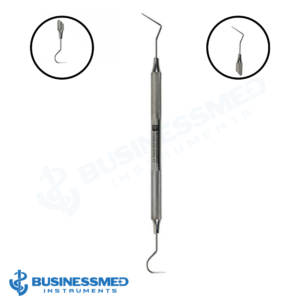
Types of endodontic explorers
DG16 endo explorers
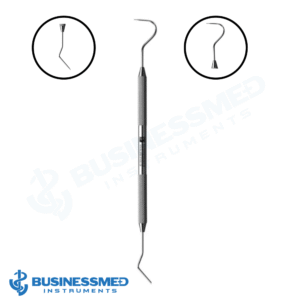
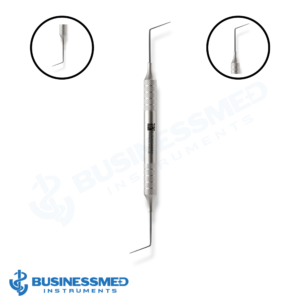
The DG-16 endodontic explorer is the classic double-ended endo explorer for finding canal orifices and feeling the chamber floor for calcifications and the grooves that lead to a missed canal. See the DG-16 explorer, the DG16/17 and the EX23-DG16, which puts a #23 diagnostic explorer on the other end.
Abou-Rass apical instruments
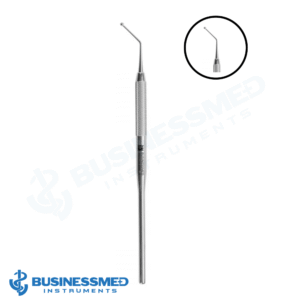
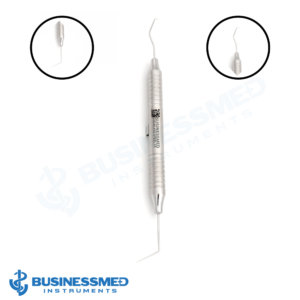
The Abou-Rass line was developed for apical and microsurgical endodontics. The Abou-Rass endodontic explorer No. 1 probes the root end and periapical area through the surgical access; the apical burnishers smooth and adapt material at the root end — angled for posterior teeth and curved roots, straight for root ends in line with the access.
How to choose an endodontic explorer
- Orthograde or surgical. Conventional root canal treatment through the crown → DG16 patterns; apical surgery through a surgical access → the Abou-Rass instruments.
- Second end. The DG16/17 pairs the DG16 with a No. 17 explorer and the EX23-DG16 with a #23; the DG-16 has two DG16 tips at slightly different angles.
- General exam explorers (#23, #17, pigtail, expros) are in Dental Explorers and Expros.
What are endodontic explorers used for?
Locating and probing canal orifices before files are introduced, in anterior and posterior teeth; feeling the pulp chamber floor for calcifications and missed canals; and, in apical surgery, exploring the root end and periapical area and finishing material at the root end.
How BusinessMed endodontic explorers are made
German stainless steel with a satin, non-reflective finish; reusable, autoclavable and covered by a 5-year warranty.