Types of dental hemostats
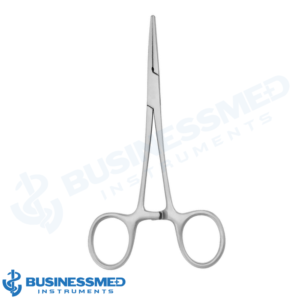
Mosquito forceps
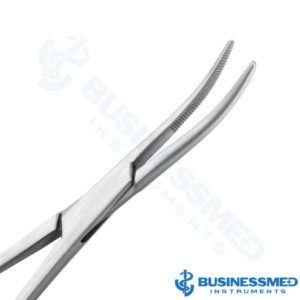
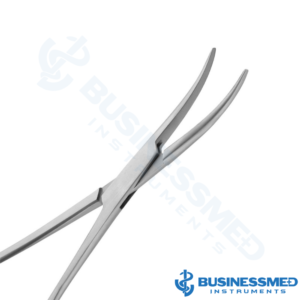
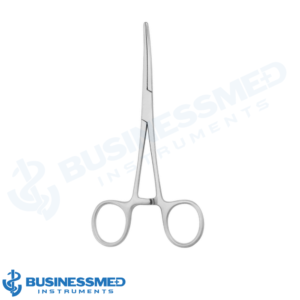
Small, fine clamps for small vessels in soft tissue: the Halstead mosquito forceps, also the everyday chairside dental hemostat for holding sutures and gauze.
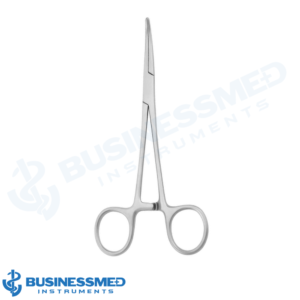
Crile and Kelly hemostats
The difference is in the serrations: Crile jaws are serrated their full length, Kelly jaws on the distal part only. See the Crile forceps and the Kelly hemostat. The longer Rankin versions — Crile-Rankin and Kelly-Rankin — add reach.
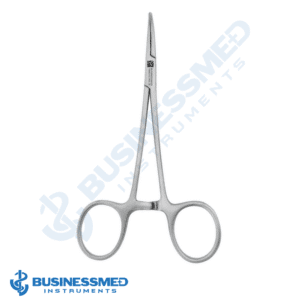
Rochester-Pean
The Rochester-Pean forceps is a heavy clamp with fully serrated jaws for larger vessels, heavier tissue and bulky materials.
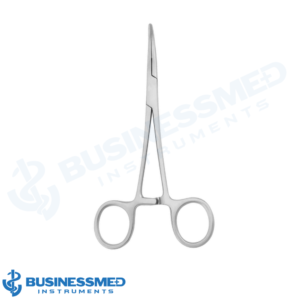
Curved needle nose forceps
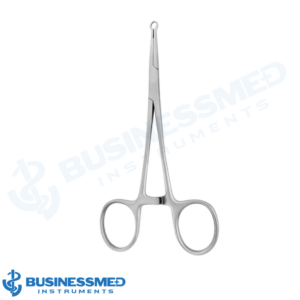
Locking forceps with fine, tapered, curved tips for holding small objects where fingers or straight tips cannot reach: the curved needle nose forceps.
How to choose dental hemostats
- Vessel and tissue size. Mosquito for small vessels; Crile and Kelly for general oral surgery; Rochester-Pean for larger vessels and heavier tissue.
- Full or partial serration. Crile grips along the whole jaw; Kelly toward the tip.
- Reach. Rankin lengths and the Rochester-Pean reach further than the short patterns.
- Holding, not clamping. For small objects and materials, the curved needle nose forceps lock on items too small for a hemostat dental jaw.
What are dental hemostats used for?
Hemostasis in oral and minor surgery — clamping small vessels before ligation or cautery and securing tissue — and chairside handling of sutures, gauze, materials and small objects that need to be held hands-free.
How BusinessMed dental hemostats are made
German stainless steel with a satin, non-reflective finish, ratchet locking; reusable, autoclavable and covered by a 5-year warranty.